Revealing southern and eastern Africa’s climate histories

The scale, scope and pace of climate change presents genuinely novel challenges, yet many Africans have been living with climate extremes such as droughts and floods for centuries. This four-year UKRI-funded project investigates what these histories of extreme events, climate knowledges and climate adaptation practices can tell us about adapting to climate change today.

Historical black-and-white photo showing a group of people, including men, women, and children, working on building or repairing a wooden pier on a beach. Some people are using equipment, and several wooden posts are set in the sand.

Critical climate histories for decolonising adaptation futures

Inspired by research around the notion of climate coloniality, the project charts entangled histories of climate extremes, marginalisation and local agency amidst colonial intensification in four African contexts. These “critical climate histories” will seek to inform equitable and sustainable adaptation planning and policymaking.
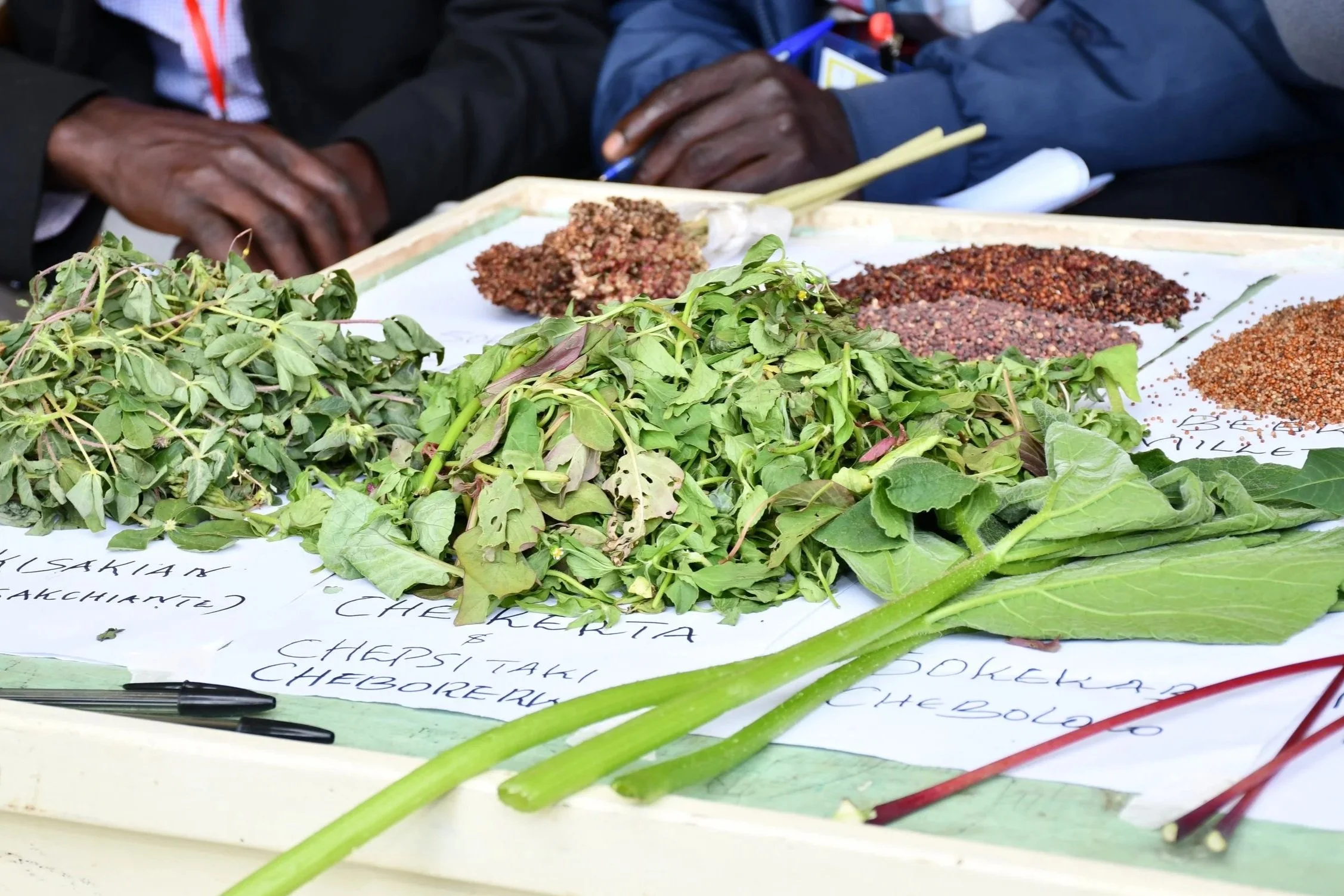
A display of various fresh herbs and spices on a table, with handwritten labels. The herbs include coriander and other leafy greens, and the spices are in small piles behind the herbs.
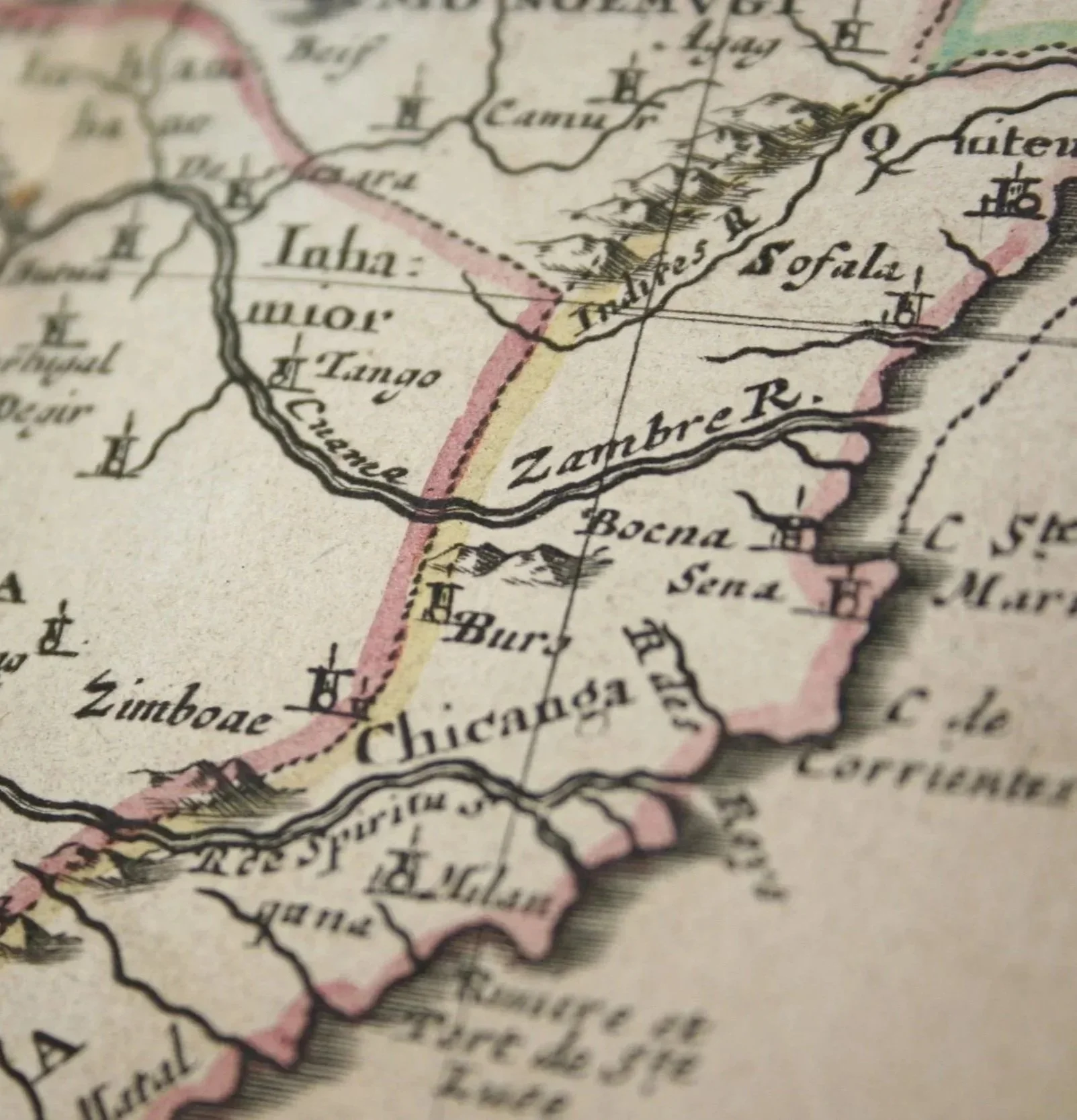
An old, detailed map showing parts of South America, including the regions around Lake Llanquihue, the Zapalre River, and the city of Chinchina, with various rivers, towns, mountains, and border lines marked.
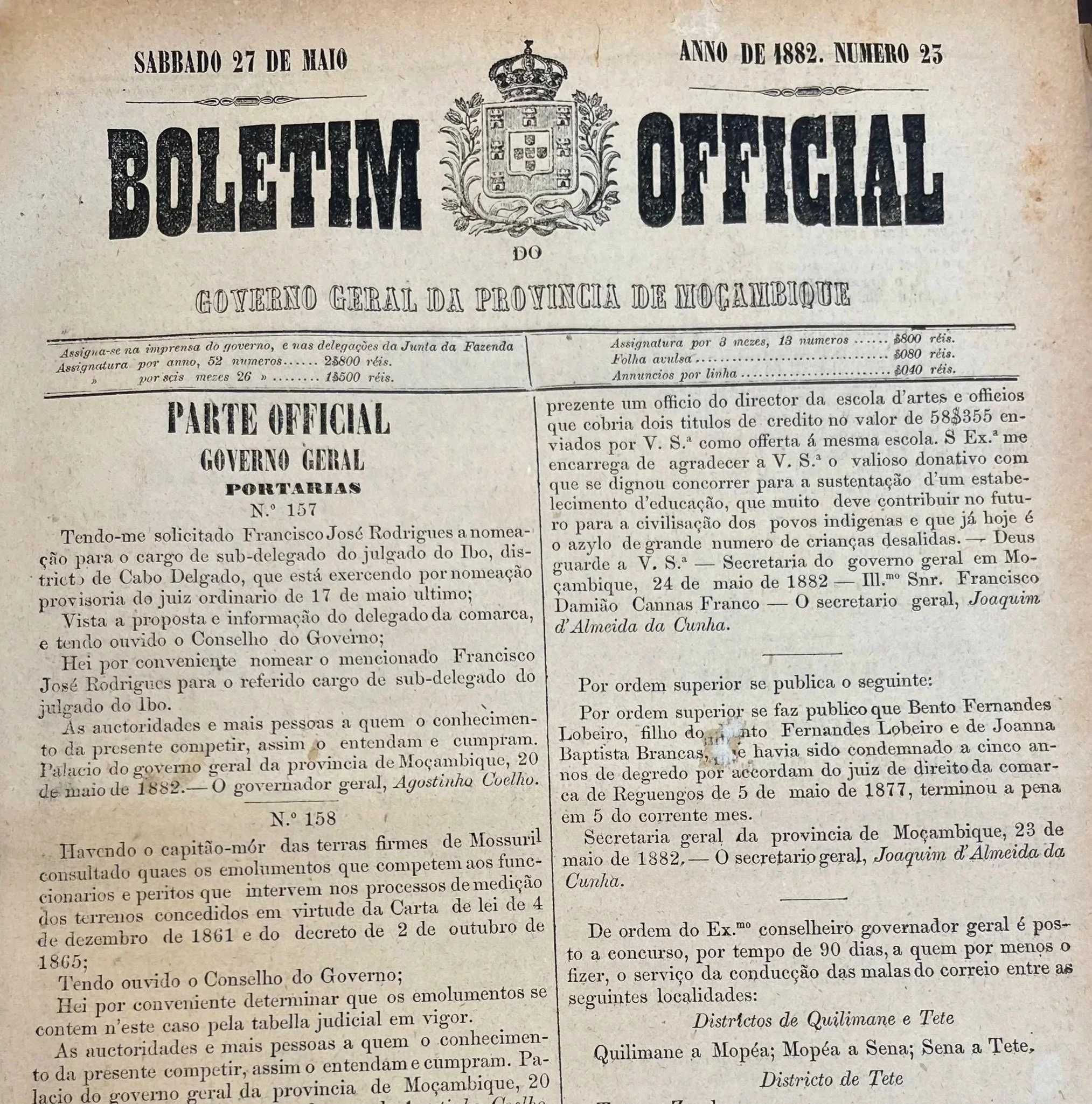
Historical newspaper page from Mozambique dated May 27, 1882, with official government notices, including appointments and government declarations.
Historical black-and-white photo of a waterfront scene with boats on the water and people working on a dock or pier.