About the project
Background
It is a truism that climate change represents a global challenge. Yet lived experiences of climate change vary, with negative impacts disproportionately felt by dispossessed and economically marginalised populations who have historically contributed the least per capita emissions.
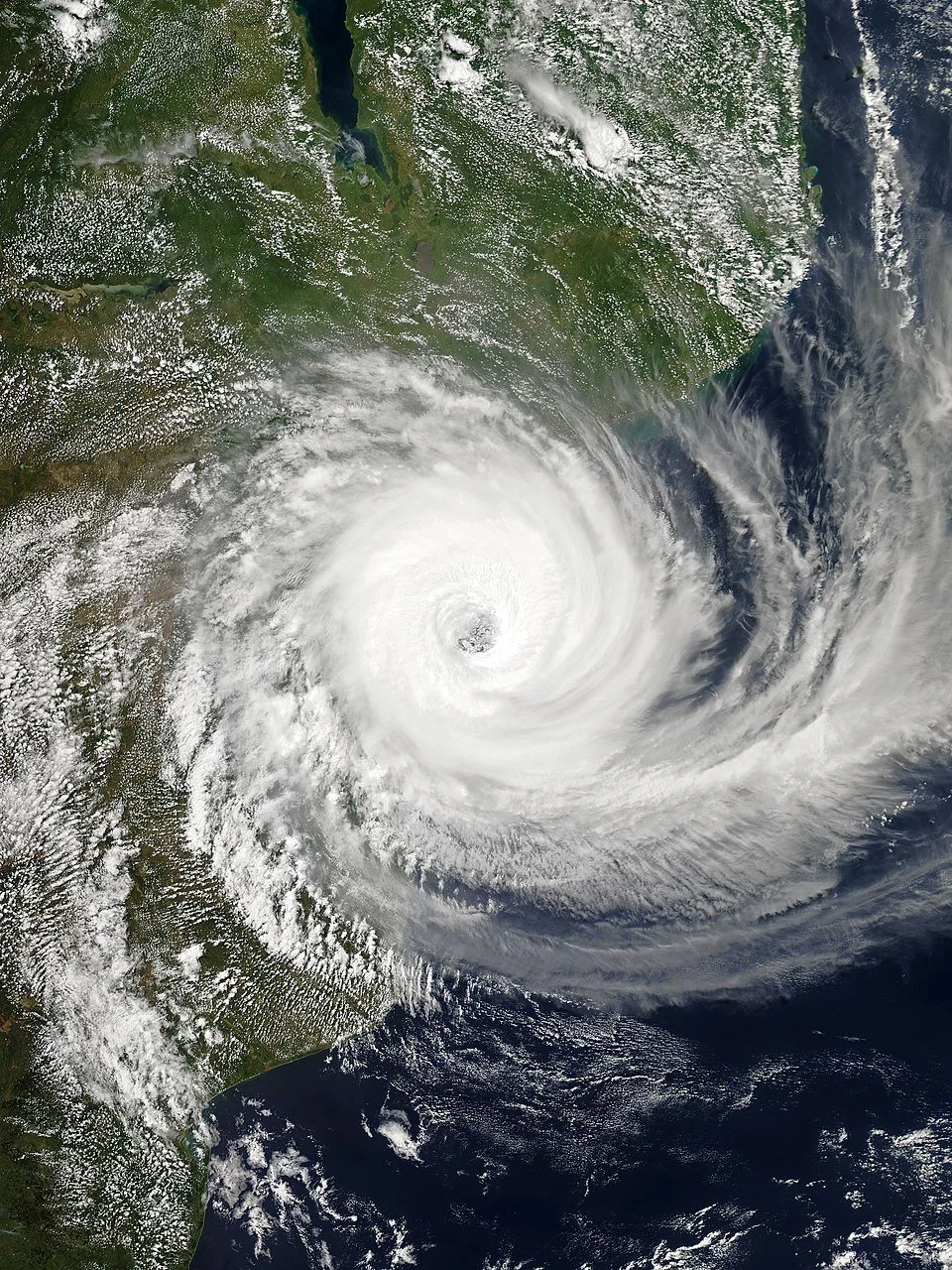
In southern Africa, the main focus of this project, climate-related extremes have triggered major recent disasters; for example, cyclone Idai in 2019 killed over 1,000 people and destroyed 110,000 homes in Mozambique, Zimbabwe and Malawi, while subcontinent-wide drought in 2014-16 pushed 40 million people into acute food insecurity.
Notwithstanding local adaptive capacities, social-environmental systems in the region are highly exposed and vulnerable to climatic extremes, underscoring the imperative of climate change adaptation.
Despite over two decades of research on climate change adaptation and a longer tradition of disaster risk reduction research, current analyses and practices of adaptation rarely interrogate (and hence obscure) deep histories of colonialism and repeated disaster.
There is now mounting concern that this lack of knowledge is resulting in maladaptive strategies that reproduce ideas and initiatives propagated through colonialism and reinforce rather than reduce vulnerability, for example by undermining local adaptation strategies or disrupting resource access crucial to livelihoods.
Aims
Engaging with recent work by geographers that has expanded notions of coloniality to encompass the reproduction of colonial climate knowledges and forms of control over ‘nature’, this research aims to develop new understanding of the origins, mechanisms, and ongoing forms of climate coloniality.
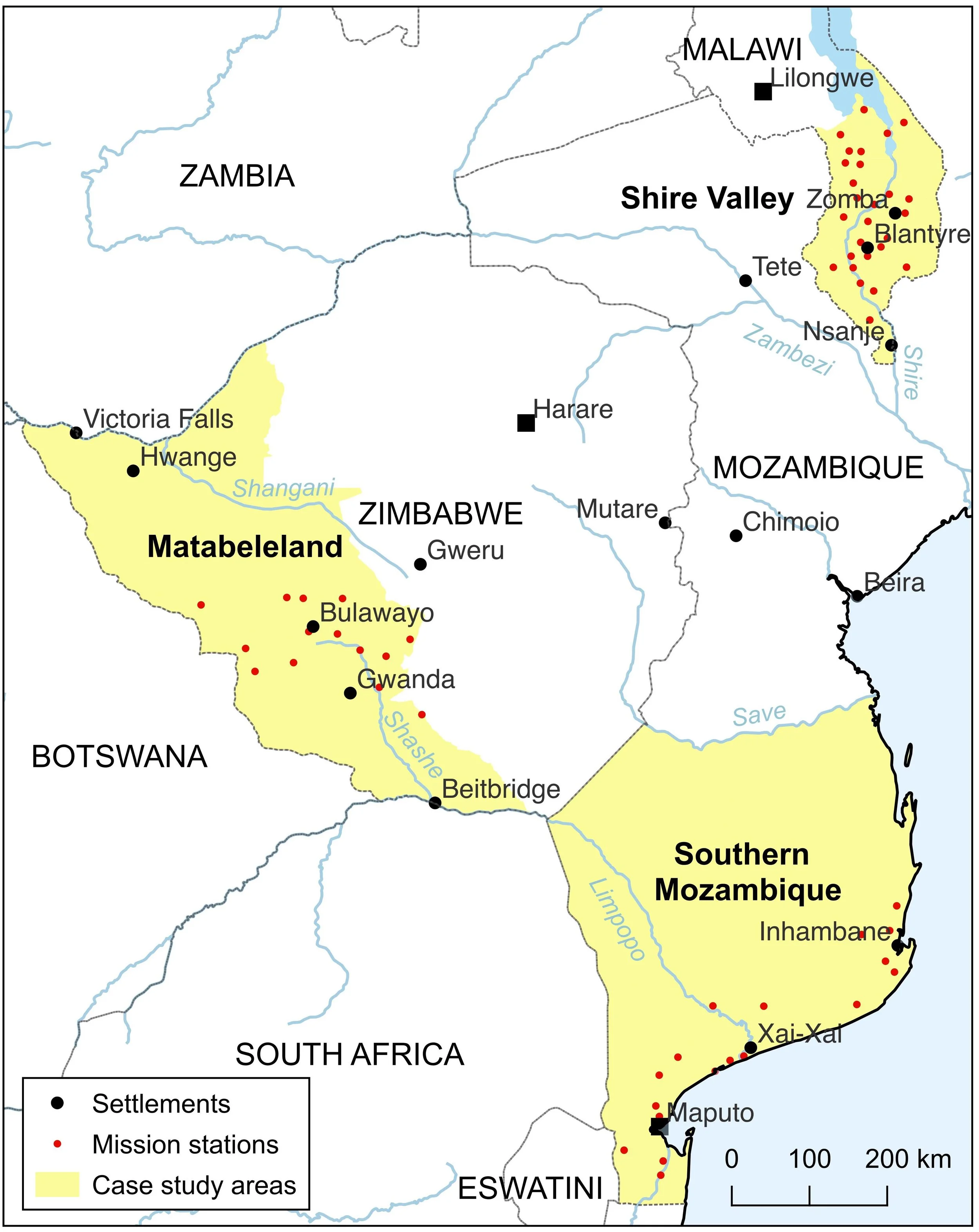
It will achieve this by tracing the emergence and (trans)formation of climate knowledges and ‘adaptation’ practices in four African contexts – Malawi, Mozambique, Zimbabwe and (in collaboration with a related British Academy project) Kenya – amidst the intensification of colonial power during the 19th and early-20th centuries. Our project address four interrelated objectives:
1. Examine the emergence and evolution of local and Western climate knowledges during the 19th and early-20th centuries in each context, including the ways in which Africans influenced colonial climate thinking despite marginalisation;
2. Identify how colonial climate knowledges (re)structured material practices, vulnerabilities and responses to recurring climate extremes, with specific reference to food systems and disaster relief;
3. Determine and demonstrate the benefits of integrating these critical climate histories into adaptation planning and foresight, and enhance their uptake by potential users;
4. Reconstruct the nature and impacts of seasonal rainfall variability and hydroclimatic extremes during the 19th and early-20th centuries.
Approach
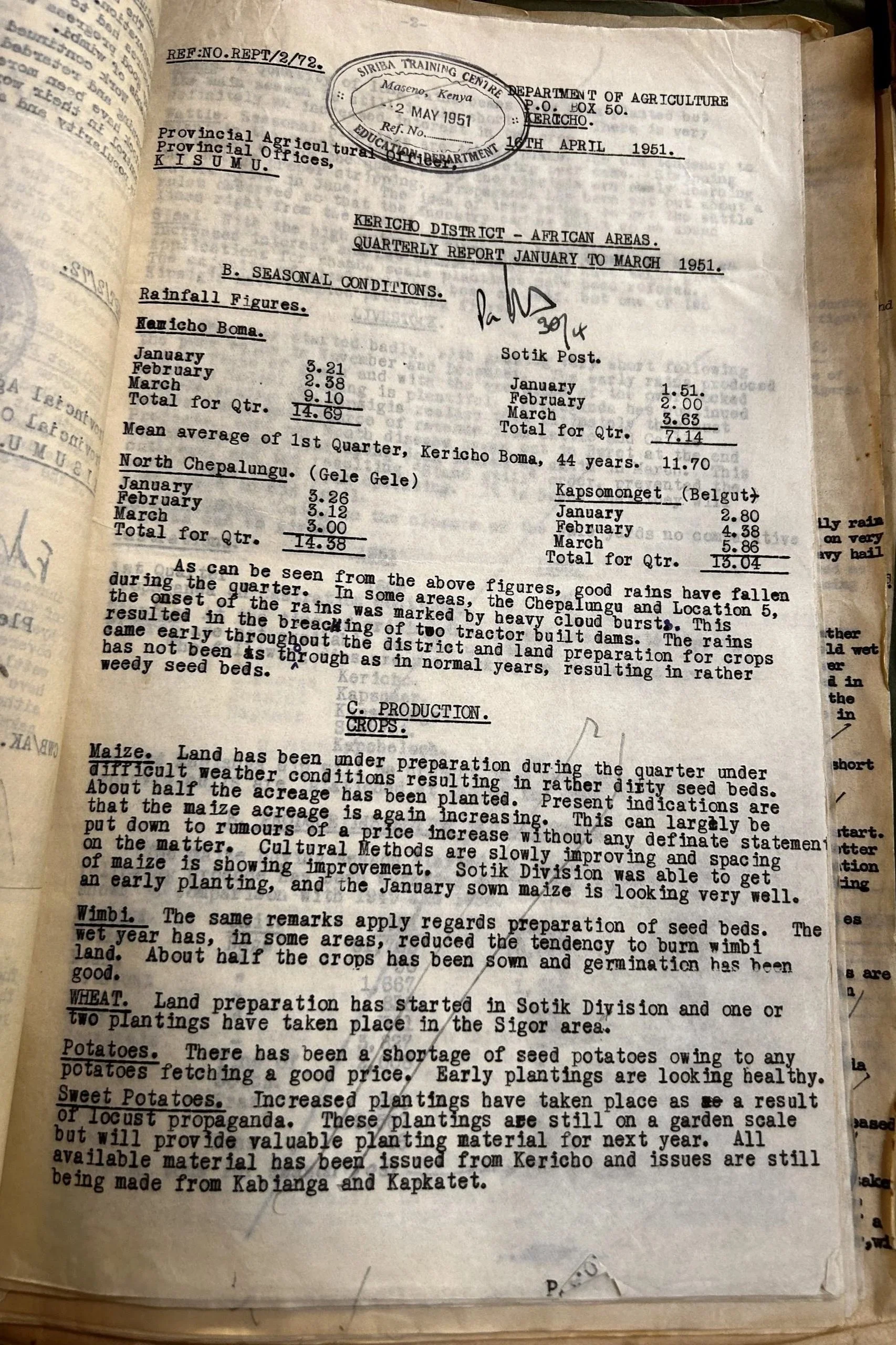
Our research draws upon diverse written and oral archival collections within the UK (London, Oxford, Edinburgh, Taunton, Exeter, Durham), Africa (Harare, Maputo, Nairobi, Zomba), mainland Europe (Lausanne, Lisbon), and North America (MA, MD, NY, RI).
We combine subversive, decolonial readings of written sources with oral histories and established historical climatology methodologies. This enables us to reveal the multidirectional interactions between climate knowledges, material practices relating to climate, and recurring climate extremes such as drought, cyclones and floods over time.
A key part of our work also involves the co-production of methodologies and mechanisms for utilising historical insights in the formulation and implementation of strategies to drive inclusive and equitable adaptation.
The scale and choice of focus areas enables us to yield the place-based insights needed to develop geographically and culturally specific climate histories, but also the comparative understanding required to develop a theoretical framework of the emergence of climate coloniality. This is because each area was a site of intensive encounter between various ‘agents of empire’ and colonised peoples during the 19th and early-20th centuries, and yet experienced different configurations of colonialism. Each area also benefits from rich collections of historical records.
Our research is transdisciplinary in scope, spanning environmental and climate history, historical geography, futures and foresight, African studies, historical climatology, disaster studies, climate science and the history of science.